HPE and Goku Hybrid Capture
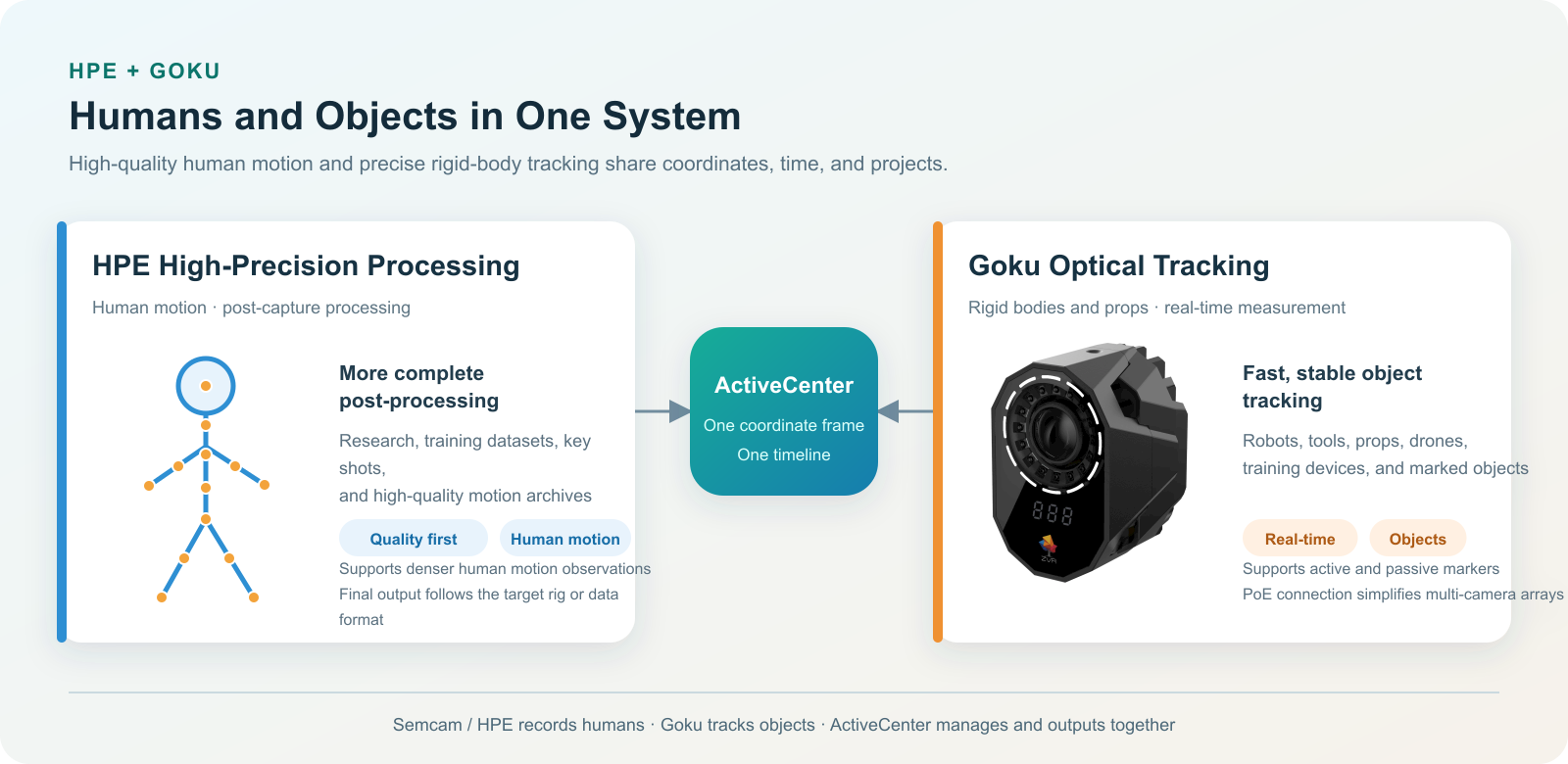
HPE and Goku address two different motion capture needs. HPE produces higher-quality human motion results after capture, while Goku tracks props, robots, drones, and other objects with optical precision.
Both are managed by ActiveCenter and can share the same capture space, timeline, and project, keeping “how the person moves” aligned with “how the object moves.”
HPE for High-Quality Human Motion
HPE is a post-capture high-precision workflow. It uses more complete computation on selected clips and is suitable when quality is more important than immediate output.
Typical uses include research motion data, robot learning datasets, key animation or VFX shots, and motion material that must be archived or analyzed repeatedly.
HPE can support up to 250 single-person keypoint observations to improve body contour, local motion, and body rig results. This number describes observed information in processing; it is not the final animation bone count or a biomechanics joint count.
Goku for Objects and Rigid Bodies
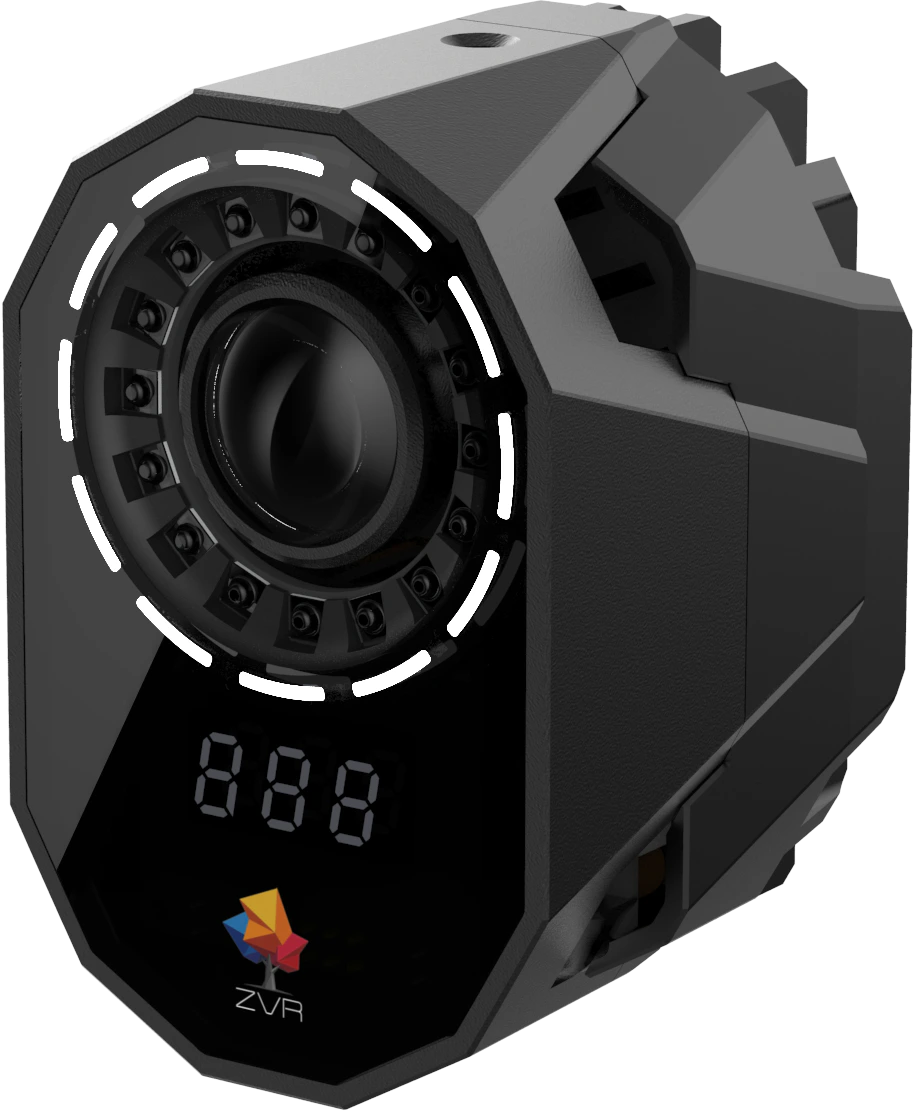
Goku is a high-frame-rate optical motion capture camera that tracks object position and orientation through active or passive markers.
Common targets include robot joints and end effectors, tools, props, handles, training equipment, rackets, drones, mobile platforms, virtual cameras, and other objects requiring pose data.
Goku supports PoE and multi-camera arrays. Optical features are processed at the camera, then ActiveCenter completes 3D reconstruction, rigid-body management, recording, and output.
How They Work Together
| Target | Recommended method | Value |
|---|---|---|
| Human motion | Semcam real-time capture | Natural markerless movement and fast collection |
| Higher-quality human result | HPE post-processing | More complete processing for important clips |
| Props, tools, devices | Goku optical tracking | Stable object position, orientation, and trajectory |
| Human and object together | Semcam / HPE + Goku | One coordinate system and timeline |
In robot teaching, Semcam records the operator while Goku tracks the robot end effector or tool. In sports, Semcam records the athlete while Goku tracks the racket or training tool. In virtual production, both can record actors and props at the same time.
Typical Applications
Drones and Mobile Platforms
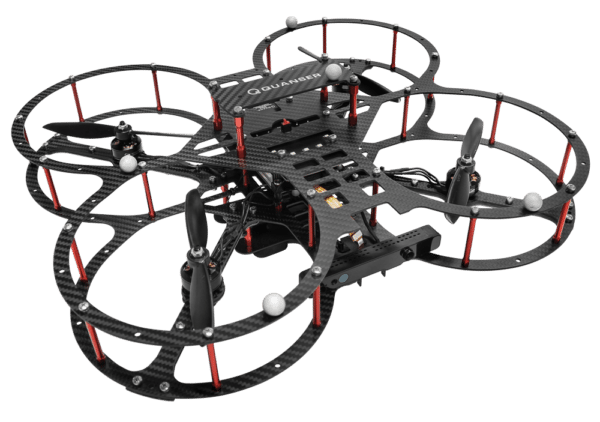
Goku can provide pose references for drone formations, flight-control validation, and mobile platform testing.
Robotics and Human-Robot Collaboration
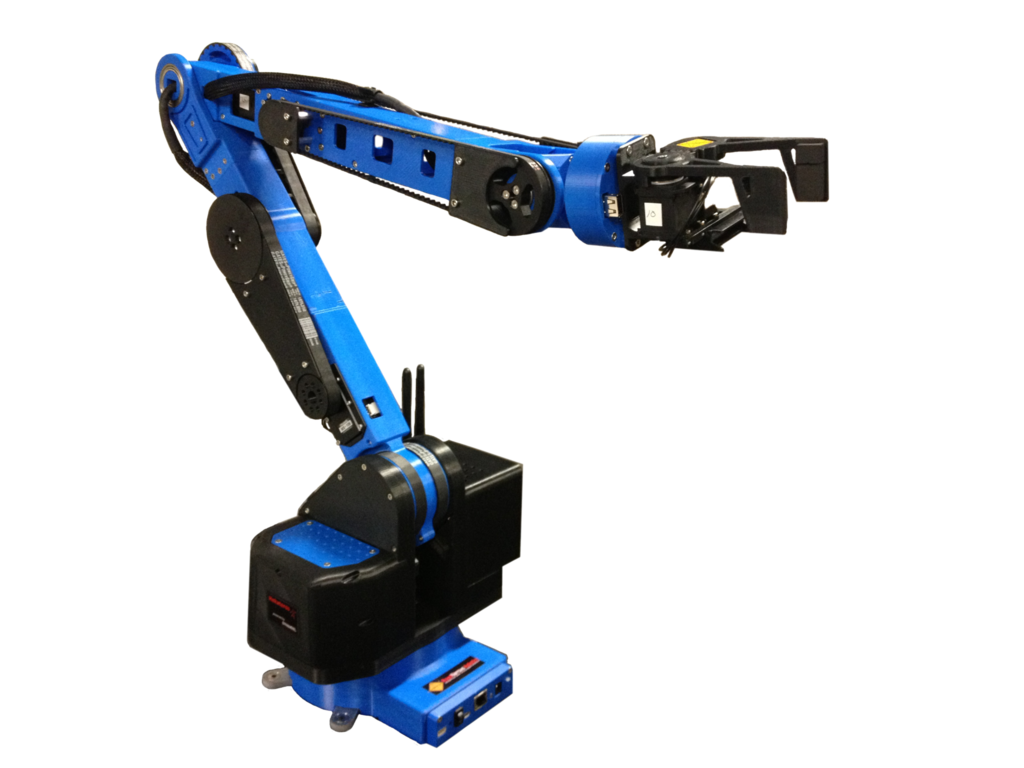
The system can record human motion, robot arm motion, and tool trajectories together for teaching, validation, replay, and dataset production.
Goku Product Capability
Goku 130 targets high-speed optical tracking tasks and supports active/passive markers, multi-camera synchronization, and real-time six-degree-of-freedom rigid-body output. Public product information lists up to 260 FPS, about 14 m for active markers, and 0.1 mm-level positioning accuracy.
Actual performance depends on camera count, installation, capture range, marker layout, lighting, and project configuration.
Configuration Note
HPE, keypoint capability, Goku camera count, marker method, capture range, interfaces, and file formats should be confirmed for each site and contract.