Why rehabilitation assessment needs more natural, higher-frequency motion data
Rehabilitation teams need repeatable data that explains how a task is performed, how compensation changes over time, and how evidence fits clinical judgment.
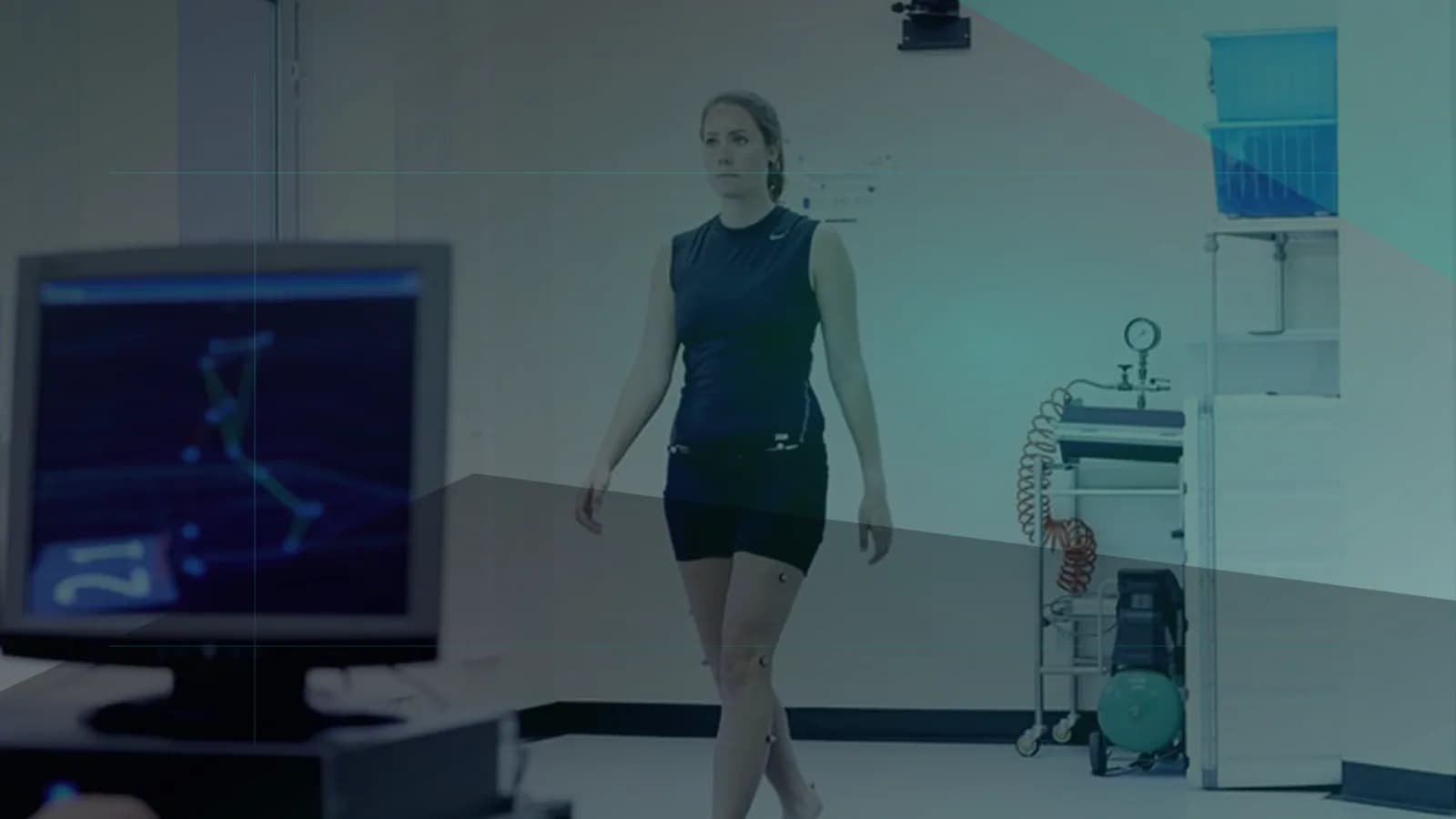
Assess how the task is done
The same sit-to-stand score can hide very different strategies: stronger hip and knee extension, trunk compensation, reliance on the unaffected side or arm support. Motion data helps explain how the result was produced.
Rehabilitation needs change curves
A single test is a time slice. Recovery is better understood through repeated measurements across treatment stages, fatigue states and task contexts. Lower preparation cost makes high-frequency follow-up more realistic.
Natural motion is a measurement condition
Markers, straps and long setup can affect children, older adults, painful patients and neurological populations. Markerless capture reduces preparation and makes gait, balance, reach, turn and transfer tasks closer to daily movement.
A professional workflow still matters
Natural capture does not remove protocol design. Teams still need fixed space, clear tasks, repeated trials, real-time quality checks, separation between real-time and post-processed results, and links to force plates, EMG, pressure and statistical analysis.
Semcam Live in rehabilitation
Semcam Live provides synchronized multi-camera 3D capture, edge AI processing, 250 keypoints, real-time quality control and optional HPE post-processing. Active Center can align motion with external devices and export data for OpenSim, Visual3D, C3D, MATLAB and Python workflows.