Why simulation training should measure more than task completion
Completion and duration cannot explain hesitation, unsafe posture, skipped steps or accidental success. Simulation training needs process evidence on one timeline.
Results do not explain competence
A learner may finish a task quickly while skipping checks or crossing a danger zone. Another may be slower but safer and more consistent. Completion and total time are useful, but they compress the training process into a score without explaining how the result happened.
Process evidence needs several data types
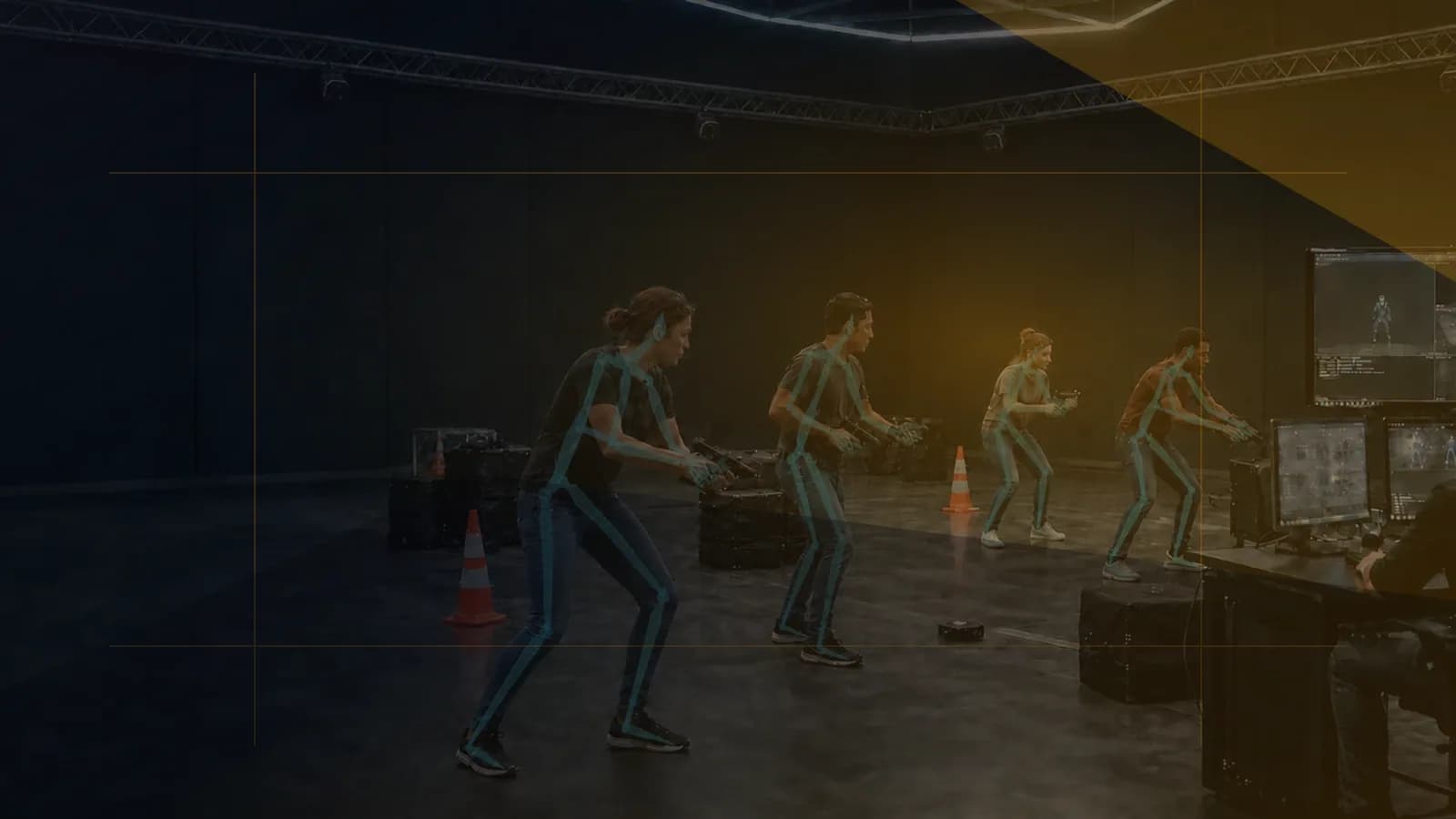
Useful review combines task events, routes, full-body motion, tools, object states and team relationships. Once these data share the same timeline, an instructor can return to the exact moment of hesitation, risk or coordination failure.
Headsets and controllers are not a full body
VR systems know the head and hands, but posture, pelvis, knees, feet and balance often matter. Adding more body trackers raises pairing, charging, cleaning and maintenance work. Markerless multi-camera capture moves part of that burden from the trainee to the venue.
Real-time feedback and review serve different goals
Real-time data can drive avatars, zones and safety prompts. Post-session review should identify pauses, routes, tool posture and repeated mistakes without turning every exercise into step-by-step navigation. The scoring rules still belong to domain experts.
How Semcam Live enters training sites
Semcam Live captures full-body motion without suits, inertial nodes or reflective markers. Goku can track headsets, controllers, tools and props as rigid bodies. Active Center aligns people, tools and events for Unreal Engine, Unity, C++, Python, FBX and BVH workflows.