Sports training should not make athletes change movement just to be measured
Motion measurement is valuable only when it reflects real speed, equipment and decision pressure. Markerless capture helps bring analysis into daily training.
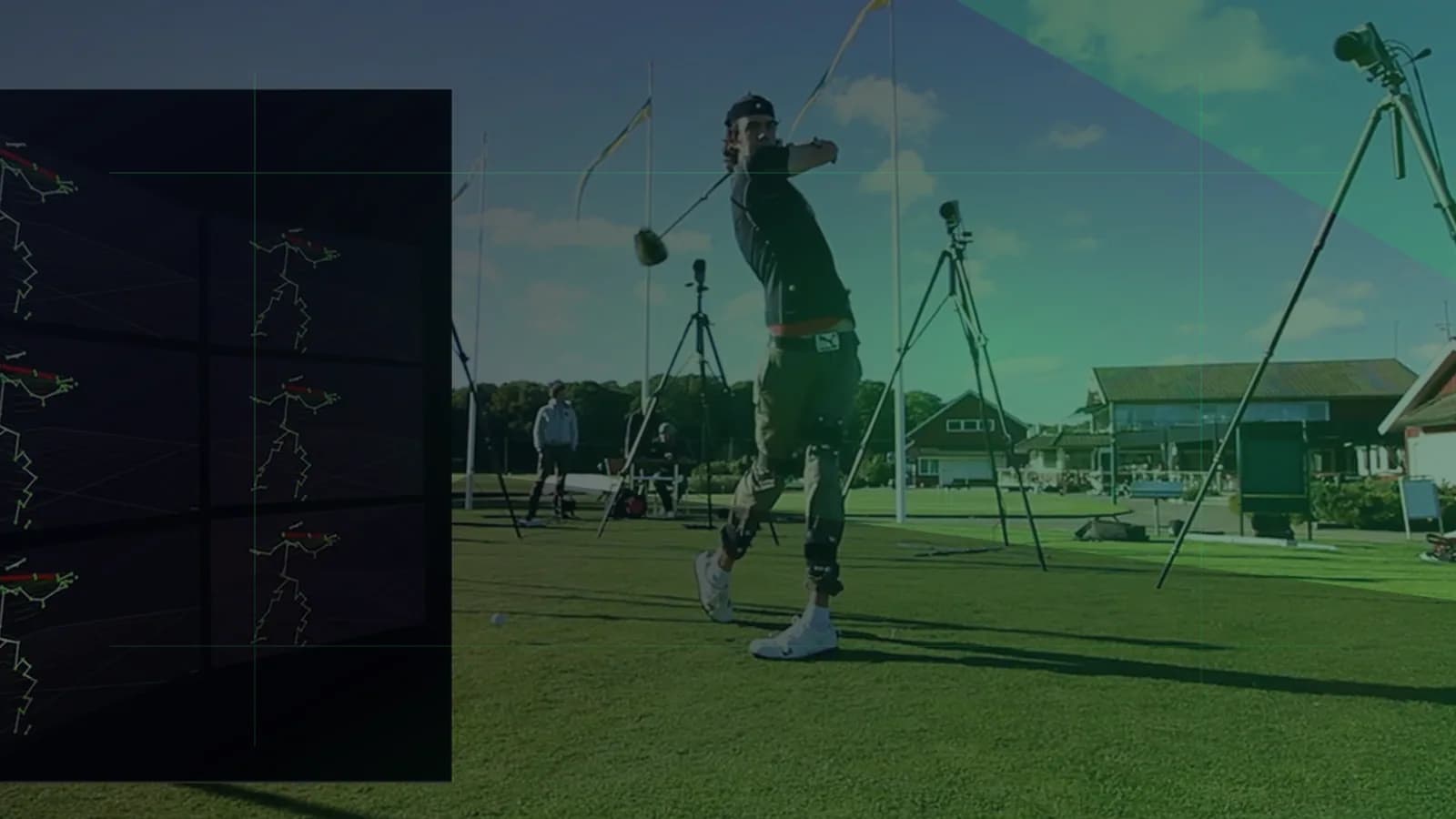
Athletic motion is a changing solution
A jump, cut, throw or swing is not a fixed pose. Athletes solve balance, opponents, fatigue, equipment and the next action at the same time. Analysis should explain strategy, timing and load rather than judge whether movement looks like a single standard.
Measurement tools change workflows
Marker-based systems, force plates, IMUs and video each provide value, but suits, markers and sensors may change how an athlete moves. The question is not which tool is absolute, but which measurement condition preserves the training task.
Keep real equipment and rhythm
The closer a test is to daily training, the more useful it is for coaches. Markerless capture reduces body preparation, supports repeated screening and makes it easier to measure athletes wearing their actual footwear, protective gear or sport equipment.
Frame rate matters, but it is not the whole quality
Higher frame rate improves temporal resolution, but the final value also depends on synchronization, calibration, occlusion handling, filtering, identity stability and export formats. Teams should test the complete pipeline, not only a single camera specification.
Semcam Live in training
Semcam Live uses fixed synchronized edge-AI cameras to capture full-body motion without wearables. Real-time output supports field checks and feedback, while post-processing can be reserved for key trials. The system gives coaches and researchers more concrete evidence without replacing professional judgment.